
Creating Meaningful Holiday Moments with a Parent Who Has Dementia (When Traditional Celebrations No Longer Work)
"Last Christmas, you tried to do everything the way you always had - the big family gathering, the traditional meal, the gift exchange, the photo with everyone. Your parent with dementia became overwhelmed, agitated, and confused. The day that was supposed to be joyful ended in exhaustion and tears. This year, you're wondering: how do we make holidays meaningful when Mom doesn't remember traditions, can't follow conversations, and becomes distressed by the chaos? The answer isn't trying harder to recreate what used to be - it's discovering what brings connection and joy right now, at the stage where your parent actually is."
If your parent has dementia, you've probably experienced the grief of holidays not being what they used to be. The traditions that once defined your family don't work anymore. Your parent can't participate the way they used to. And you're caught between wanting to honor traditions and recognizing that those celebrations now cause more stress than joy.
Geriatric Care Solution helps families adapt celebrations to create meaningful connection - finding ways to honor your parent where they are now, rather than expecting them to show up where they used to be.
Call 1-888-889-6275 or email ask@gcaresolution.com for guidance on creating dementia-friendly holiday experiences.
Why Traditional Holiday Celebrations Often Don't Work with Dementia
Here's what typically happens when families try to celebrate "normally" with someone who has dementia:
Overstimulation causes distress:
- Too many people creates confusion and anxiety
- Noise and activity levels overwhelm
- Change to routine triggers behavioral issues
- Sensory overload leads to agitation or withdrawal
Cognitive demands are too high:
- Can't follow fast-moving group conversations
- Gets lost in the chaos of gift opening or meal coordination
- Doesn't remember why everyone is gathered
- Becomes frustrated by inability to participate as expected
The result: What was supposed to be a joyful celebration becomes exhausting and upsetting for everyone - especially the person with dementia.
Meaningful holidays with dementia require a completely different approach.
Letting Go of "How It Used to Be"
Before you can create meaningful new experiences, you need to grieve the loss of old ones:
It's okay to feel sad that:
- Your parent doesn't remember family traditions
- They can't participate in meal preparation they once led
- Gift giving doesn't work the way it used to
- The person they were isn't the person they are now
This grief is real and valid.
But here's what's also true:
- Your parent can still experience joy, even if they don't remember it later
- Connection can still happen, even if it looks different
- Meaningful moments are possible, even if traditions aren't
- Love exists beyond memory
The holidays that work best accept where your parent is now, rather than trying to force them back to where they were.
Principles for Creating Meaningful Dementia-Friendly Holidays
Principle #1: Smaller and Simpler Is Better
Instead of: Big family gatherings with 20 people, multi-hour events, complex activities
Try: Small groups (2-4 people), shorter visits (1-2 hours), simple focused activities
Why it works: Reduces overstimulation, allows for genuine one-on-one connection, prevents behavioral issues that come from overwhelm
Principle #2: Focus on Sensory Experience, Not Cognitive Performance
Instead of: Expecting participation in conversations, remembering traditions, understanding the significance of events
Try: Music they love, familiar smells (baking, pine, cinnamon), gentle touch, visual beauty they can appreciate in the moment
Why it works: Sensory experience doesn't require memory or cognitive processing - it creates joy in real time
Principle #3: Connection Over Correctness
Instead of: Correcting when they get details wrong, insisting on "proper" celebration, maintaining tradition exactly as it was
Try: Going with their reality, enjoying the moment even if it's not "right," adapting tradition to what works now
Why it works: Correction causes frustration and shame; acceptance creates peace and connection
Principle #4: Process Over Product
Instead of: Perfect holiday meals, flawless gift wrapping, photo-ready decorations
Try: Enjoying activities together even if results aren't perfect, valuing the doing rather than the outcome
Why it works: Process creates connection and engagement; perfectionism creates stress
Principle #5: Meet Them Where They Are
Instead of: Wishing they were at a different stage, expecting abilities they no longer have
Try: Discovering what brings them joy NOW, adapting activities to current abilities
Why it works: Acceptance of reality creates peace; resistance creates suffering
Practical Dementia-Friendly Holiday Activities
Here are specific activities that create meaningful connection:
Music-Based Activities
Why music works: Musical memory often outlasts other forms of memory. People with dementia can remember song lyrics and melodies even when they can't remember what they had for breakfast.
Try:
- Playing their favorite holiday music from their young adult years (40s-50s era music if they're in their 80s-90s)
- Singing together - even if they can't hold conversation, they might sing whole songs
- Dancing slowly together to familiar music
- Attending simple concerts or church services with music they love
What families tell us: "Mom doesn't remember my name, but she sang every word of 'Silent Night' with tears in her eyes. Music reaches her when nothing else does."
Reminiscence Activities
Why reminiscence works: Long-term memories often remain accessible even as short-term memory fails.
Try:
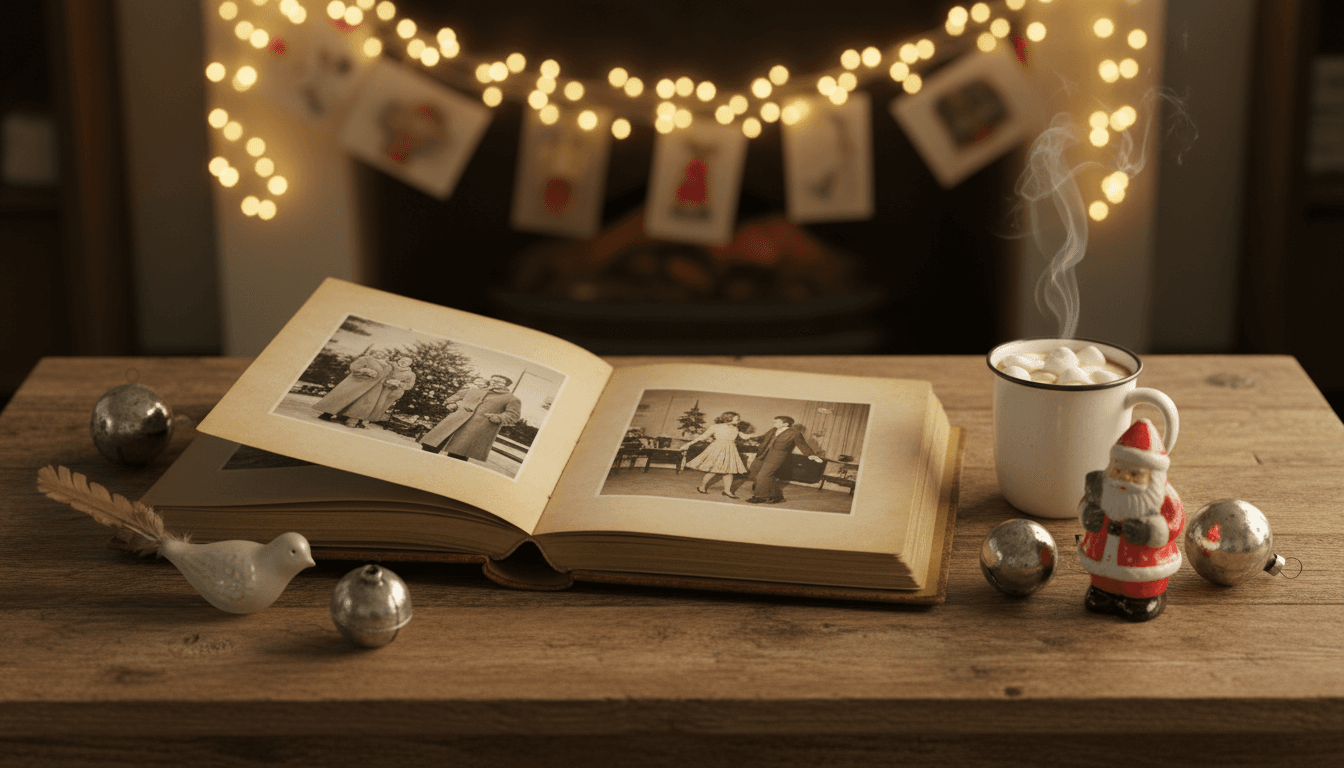
- Looking at old family photos from their young adult years
- Handling familiar objects from their past (favorite ornaments, childhood items)
- Talking about holidays when they were young
- Sharing stories they remember rather than expecting them to remember recent events
Tips:
- Ask "What was Christmas like when you were a child?" not "Do you remember last Christmas?"
- Let them tell the same stories repeatedly without saying "You already told me that"
- Focus on the emotions the memories evoke, not factual accuracy
Simple Hands-On Activities
Why hands-on works: Motor memory and procedural skills often last longer than cognitive abilities.
Try:
- Decorating simple cookies (focus on doing it together, not perfect results)
- Sorting ornaments or holiday cards
- Folding napkins or simple crafts
- Arranging flowers or greenery
- Wrapping simple packages (even if they need to be rewrapped later)
The goal: Purposeful activity they can participate in successfully, creating sense of contribution
Sensory Experiences
Why sensory works: Doesn't require memory or cognition, creates pleasure in real time.
Try:
- Baking familiar smells (cookies, bread, cinnamon)
- Aromatherapy with holiday scents (pine, vanilla, peppermint)
- Touching soft blankets, familiar fabrics
- Enjoying twinkling lights (simple not overwhelming)
- Tasting favorite holiday foods in manageable portions
Create sensory comfort, not sensory overwhelm.
Nature and Simple Outings
Why this works: Change of scenery without overstimulation can be refreshing.
Try:
- Drive to see neighborhood holiday lights (from car, not crowds)
- Short walk in quiet park or neighborhood
- Sitting outside if weather permits
- Visiting quiet, not-crowded places during off-peak hours
Keep it short, simple, and not overwhelming.
Adapting Specific Holiday Traditions
Gift Giving
What doesn't work: Complex gift exchange, expecting them to remember what they need, gifts requiring explanation or assembly
What works better:
- Sensory gifts: soft blankets, favorite scents, comfort items
- Nostalgic items from their past
- Simple photo albums or memory books
- Experience gifts: time together, favorite music, gentle activities
- Practical comfort items they use daily
The best gift: Your presence and attention, not objects
Holiday Meals
What doesn't work: Long multi-course meals, complicated foods, sitting for extended periods, chaotic family dinner
What works better:
- Finger foods they can eat easily
- Familiar favorites from their past
- Small portions, short meal times
- Quiet setting with just a few people
- Flexibility about when and how they eat
Nutrition and comfort matter more than tradition.
Decorating
What doesn't work: Elaborate decorations everywhere, unfamiliar decor, dangerous items (candles, breakables)
What works better:
- Simple, familiar decorations
- Items from their past that trigger pleasant memories
- Soft twinkling lights (not flashing or overwhelming)
- Decorations they can touch and handle safely
- Less is more - a few meaningful items rather than visual chaos
Family Gatherings
What doesn't work: Large crowds, all-day events, expecting them to "host" or perform socially
What works better:
- Small groups rotating in and out for short visits
- Quiet space they can retreat to when overwhelmed
- One-on-one time with individuals rather than group chaos
- Someone designated to stay with them and provide comfort
- Permission to leave early or take breaks
Creating Connection When Memory Is Gone
One of the hardest aspects of dementia during holidays is when your parent doesn't remember you or the tradition's significance.
Here's what still matters even without memory:
Emotional tone: They may not remember the event, but they remember how they felt - safe, loved, peaceful, joyful.
Present-moment experience: Joy doesn't require memory to be real. The smile in that moment mattered, even if it's forgotten.
Your intention: Creating loving experiences for them honors their dignity even if they don't remember.
Connection beyond words: Sitting together, holding hands, sharing music - these create connection memory can't erase.
Your own meaningful experience: Creating these moments matters for YOU and your family, even if your parent doesn't remember.
Real Families: Meaningful Moments That Worked
The Martinez Family: From Chaos to Connection
What didn't work (previous years): Christmas at daughter's house with 15 family members, loud dinner, gift opening chaos, Mom with Alzheimer's becoming increasingly agitated and trying to leave.
What they changed:
- Christmas morning: Just daughter and mom, looking at photo albums, singing carols
- Small simple breakfast together
- Short 20-minute visits from grandchildren one family at a time throughout the day
- No formal dinner - finger foods mom enjoyed when she was hungry
- By evening, mom in pajamas watching holiday movie she loved as a young woman
The result: Mom was peaceful, engaged during activities at her level, and seemed content. Family members got individual quality time with her. Daughter didn't spend the day managing crisis.
Reflection: "It wasn't the Christmas we used to have. But it was a good day. Mom seemed happy. That's what mattered."
The Chen Family: Finding Joy in New Traditions
What they discovered: Dad couldn't participate in cooking or follow conversations anymore, but he LOVED the Christmas lights drive.
What became their new tradition:
- Every evening during December, 30-minute drive to see neighborhood lights
- Playing his favorite holiday music from the 1960s
- Hot chocolate in travel mugs
- No pressure to talk or remember - just enjoying together
The result: "Those drives became something we actually looked forward to. Dad would smile and sometimes sing along. It was simple, but it was our special time."
When Holidays Are Just Too Hard
Sometimes, even adapted celebrations are overwhelming:
It's okay to:
- Skip big gatherings entirely
- Create your own timeline (celebrate on a different day if easier)
- Focus only on what brings actual joy, not obligation
- Prioritize your parent's comfort over family expectations
- Have a quiet, small day rather than trying to celebrate "normally"
You're not failing holiday spirit - you're honoring your parent's actual needs.
Getting Help Creating Meaningful Moments
If you're struggling to find ways to connect with your parent during the holidays:
Geriatric Care Solution provides:
- Dementia activity specialists who can suggest what might work for your parent's specific stage and interests
- Caregiver training in creating meaningful engagement
- Support during actual holidays if you need professional help managing
- Ideas for adapting traditions to dementia-friendly versions
- Validation that your grief about changed holidays is real
Sometimes professional guidance helps you discover possibilities you hadn't imagined.
A Different Kind of Meaningful
If you're grieving that holidays aren't what they used to be, please know:
Your feelings are valid - loss is real even though your parent is still alive.
But also:
- Meaning doesn't require memory
- Connection is still possible
- Joy can exist in different forms than it used to
- Love matters even when cognitive abilities don't
The holidays that work with dementia accept reality rather than resist it.
And sometimes, in accepting reality, families discover unexpected moments of genuine connection that wouldn't have happened if they'd insisted on maintaining traditions that no longer fit.
Contact Geriatric Care Solution
If you need guidance creating meaningful holiday experiences with a parent who has dementia:
Contact Geriatric Care Solution: Call: 1-888-889-6275 Email: ask@gcaresolution.com
We can help you:
- ✅ Adapt traditions to what works now
- ✅ Find activities that create genuine connection
- ✅ Support you in letting go of expectations
- ✅ Discover what brings your parent joy at their current stage
- ✅ Navigate family dynamics around changed celebrations
Holidays with dementia require a different approach - we can help you find it.
Traditional holiday celebrations often don't work for people with dementia - the overstimulation, cognitive demands, and changes to routine cause distress rather than joy. Meaningful holidays require adapting to where the person actually is: smaller gatherings, simpler activities, sensory experiences, and connection that doesn't depend on memory or cognitive performance. While this requires grieving the loss of old traditions, it also creates space for new forms of meaning, connection, and joy that honor the reality of dementia rather than resisting it.