
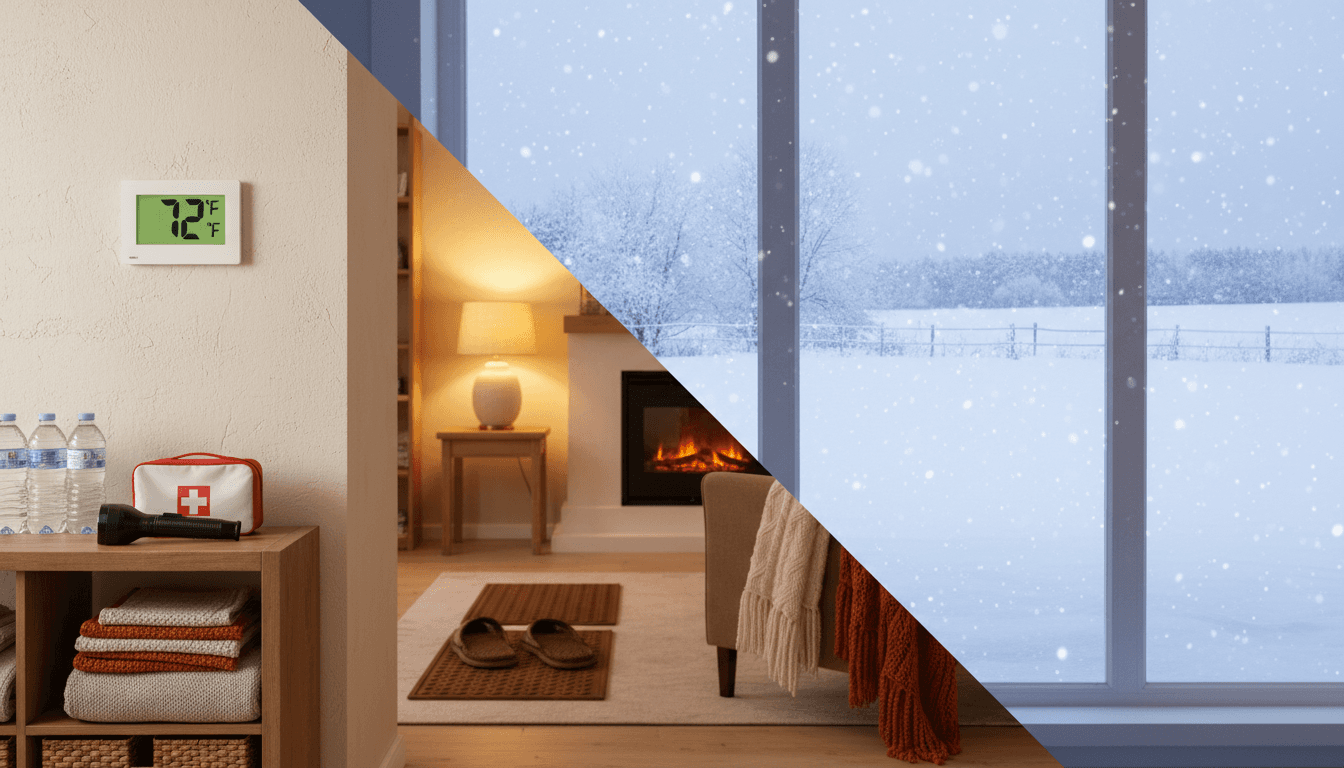
Winter In-Home Safety: Preparing Your Parent's Home for Cold Weather Challenges (Before Problems Become Emergencies)
"Every winter, the same pattern repeats: A senior living alone loses heat during a cold snap. Or they slip on ice getting the mail. Or they become isolated because they can't safely navigate winter weather. By the time families realize there's a problem, it's already an emergency. What if, instead of reacting to winter crises, you prepared for winter challenges before they became dangerous? Here's your comprehensive guide to preparing your parent's home for safe, comfortable winter aging in place."
If your aging parent lives independently - either in their own home or with limited support - winter brings risks that don't exist during warmer months. Cold temperatures, heating systems that might fail, ice and snow creating fall hazards, potential isolation if weather makes getting out difficult.
Most families don't think about winter preparation until there's a problem. But the time to prepare is now - before the coldest weather arrives, before systems fail, before falls happen.
Geriatric Care Solution helps families assess and prepare homes for safe winter aging in place - identifying and addressing risks before they become emergencies.
Call 1-888-889-6275 or email ask@gcaresolution.com for professional home safety assessment and winter preparation guidance.
Why Winter Is Particularly Risky for Seniors Living Alone
Winter presents specific dangers for older adults:
Cold temperatures are more dangerous:
- Hypothermia risk increases with age (body doesn't regulate temperature as well)
- Reduced awareness of being cold
- Slower response time if heating systems fail
- Pre-existing health conditions worsen in cold
Fall risks increase dramatically:
- Ice and snow on walkways, driveways, porches
- Reduced daylight makes navigation harder
- Bulky winter clothing affects balance
- Attempting to shovel snow or spread salt
Isolation becomes more likely:
- Weather makes driving dangerous for older drivers
- Can't safely walk to get mail or take out trash
- Delivery services may not reach them
- Less likely to go out for social activities or medical appointments
Health conditions worsen:
- Respiratory issues from cold air
- Joint pain and stiffness in cold
- Heart problems from cold stress
- Higher risk of stroke during temperature extremes
The result: Seniors who live independently year-round may need additional support or preparation to remain safe through winter months.
Comprehensive Winter Home Safety Checklist
HEATING SYSTEM SAFETY
Before cold weather arrives:
✅ Schedule HVAC inspection and maintenance
- Have furnace/heating system professionally inspected
- Replace filters
- Check carbon monoxide detectors (fresh batteries)
- Test emergency heat sources if primary system fails
✅ Check thermostat placement and programming
- Ensure thermostat is not in cold draft area (gives false reading)
- Set to consistent temperature (not programmed lower at night if senior has dementia or reduced temperature awareness)
- Consider smart thermostat that alerts if temperature drops dangerously
✅ Inspect fireplace/wood stove if used
- Clean chimney
- Check for proper ventilation
- Ensure fire extinguisher nearby
- Consider whether senior can safely operate
✅ Identify backup heating
- What happens if primary heat fails?
- Space heaters (only if used safely - see below)
- Emergency plan for heat failure
✅ Check insulation and draft prevention
- Weather stripping around doors and windows
- Insulation in attic adequate
- Drafts sealed to retain heat
- Heavy curtains or window treatments to reduce heat loss
Space heater safety (if needed):
- Only use heaters with automatic shut-off
- Keep at least 3 feet from anything flammable
- Never use extension cords
- Turn off when leaving room or sleeping
- Watch for confusion about safety (dementia risk)
WATER AND PLUMBING PREPARATION
✅ Prevent frozen pipes
- Insulate pipes in unheated areas
- Leave cabinet doors open in cold weather so warm air reaches pipes
- Let faucets drip during extreme cold
- Know location of water shut-off valve
✅ Hot water heater check
- Set to safe temperature (not scalding, not too cool)
- Check for leaks or corrosion
- Know age of unit (failure in winter is dangerous)
✅ Emergency water supply
- Store drinking water in case pipes freeze
- Have plan if water is temporarily unavailable
LIGHTING AND VISIBILITY
Winter darkness increases fall risk:
✅ Exterior lighting
- Motion-sensor lights on all entrances
- Well-lit walkways, driveway, mailbox
- Replace burned-out bulbs before they're needed
- Consider dawn-to-dusk automatic lights
✅ Interior lighting
- Night lights in hallways, bathrooms, bedroom
- Ensure light switches accessible at room entrances
- Flashlights in multiple locations (with fresh batteries)
- Consider battery-powered lights that turn on if power fails
✅ Emergency lighting
- Flashlights or lanterns in easy-to-find locations
- Extra batteries
- Consider headlamp for hands-free light if needed
FALL PREVENTION - WINTER SPECIFIC
✅ Ice and snow management plan
- Who will clear walkways, driveway, porch?
- Salt or ice melt available and accessible
- Senior should NOT shovel snow or spread salt themselves
- Consider professional snow removal service
- Keep paths clear to mailbox, trash bins, car
✅ Entrance safety
- Non-slip mats outside and inside all doors
- Handrails on steps and porch
- Clear area to shake off snow/ice before entering
- Place to sit near door to remove boots
✅ Footwear
- Non-slip winter boots or shoes with good traction
- Easy to put on/take off
- Review whether they're using appropriate footwear
✅ Walking aids
- Cane or walker with ice picks if they go outside
- Ensure they actually use aids (not just own them)
EMERGENCY PREPAREDNESS
Winter storms can cause power outages, prevent travel:
✅ Emergency kit
- Flashlights and batteries
- Battery or hand-crank radio
- First aid supplies
- Important medications (7-day supply minimum)
- Non-perishable food
- Bottled water
- Warm blankets
- Phone charger (battery-powered backup)
- List of emergency contacts
- Copies of important documents
✅ Communication plan
- Cell phone fully charged (consider backup charger)
- Daily check-in system with family or neighbor
- Medical alert system (ideally with fall detection)
- List of emergency contacts visible by phone
- Way to contact help if phone/power out
✅ Medication management
- Refill prescriptions before storms predicted
- Keep extra supply of critical medications
- Medication list easily accessible for emergencies
- Plan for medication delivery if can't get to pharmacy
ISOLATION PREVENTION
Winter isolation is dangerous for mental and physical health:
✅ Daily check-in system
- Phone call from family member daily
- Neighbor who checks in person
- Professional caregiver visits
- Technology (video calls, monitoring systems)
✅ Social connection plan
- Adult day program several days weekly (weather permitting)
- Regular visits scheduled
- Virtual options (computer setup to video call family)
- Activities that bring people to them if they can't go out
✅ Essential service access
- Grocery delivery setup and tested
- Prescription delivery arranged
- Meal delivery if needed
- Trash removal (arranged if they can't access bins safely)
MEDICAL ACCESS AND HEALTH MONITORING
✅ Transportation for medical appointments
- Plan for getting to appointments in winter weather
- Reschedule non-urgent appointments during storms
- Know which appointments can be done via telemedicine
- Arranged rides if they shouldn't drive in winter
✅ Home health services if needed
- Visiting nurse for monitoring chronic conditions
- Physical therapy at home if mobility reduced
- Regular health checks by professionals
✅ Health monitoring
- Blood pressure checks if hypertension
- Blood sugar monitoring if diabetic
- Weight monitoring (sudden changes concern)
- Watch for signs of depression from isolation
SAFE WINTER ACTIVITIES
Getting outside safely when possible:
✅ Supervised outdoor time
- Only when conditions are safe (dry, not icy)
- Accompanied by someone who can assist
- Appropriate clothing for temperature
- Short durations to avoid overexertion or cold exposure
✅ Indoor activities and engagement
- Prevent isolation-related depression
- Activities adapted to abilities
- Social interaction (visits, calls, day programs)
- Physical activity indoors (appropriate exercises)
When DIY Winter Preparation Isn't Enough
Some situations require professional assessment and support:
Consider professional help if:
- Parent has dementia (may not recognize cold, use heat safely, remember precautions)
- Mobility issues make winter navigation dangerous even with precautions
- Lives alone in area where winter storms are severe
- Has had previous winter-related incident (fall on ice, hypothermia scare)
- You live far away and can't physically help with preparations
- Parent resists safety measures but clearly needs them
Professional assessment identifies risks you might miss:
- Home hazards specific to winter
- Health vulnerabilities in cold weather
- Whether living alone through winter is actually safe
- What level of support or monitoring is needed
Real Family Story: Winter Preparation That Prevented Crisis
The Morrison Family: Learning from Last Year's Scare
Last winter: Martha (83, living alone, early dementia) had a close call in February:
- Heat failed during cold snap
- Martha didn't notice home was dangerously cold
- Neighbor discovered her confused and hypothermic
- Emergency room visit, temporary crisis intervention
- Family realized winter alone wasn't safe anymore
This year's preparation (September-October): Family contacted Geriatric Care Solution for winter safety assessment.
What we implemented:
- HVAC inspection and maintenance (furnace was near failure - replaced before winter)
- Smart thermostat that alerts family if temperature drops
- Daily caregiver visits (3 hours daily) to check conditions and provide company
- Professional snow removal service contracted
- Emergency supplies organized
- Daily phone check-ins scheduled
- Medical alert system with fall detection
- Family member has key and checks weekly in person
Result this winter: Martha is warm, safe, monitored, and not isolated. Family has peace of mind. No emergencies.
Reflection: "Last year's scare was terrifying. This year we prepared, and Mom is fine. The support wasn't optional - it was necessary for her to safely stay home through winter."
Special Considerations for Dementia and Winter Safety
Dementia creates unique winter risks:
Temperature awareness problems:
- May not feel cold or recognize danger of low temperature
- Might turn heat off or down inappropriately
- Won't dress warmly enough
- May not respond appropriately to cold
Wandering risks increase:
- May try to go outside inappropriately dressed
- Could get lost in snow when everything looks different
- Might not be able to find way home in winter conditions
Safety judgment impaired:
- May try to shovel snow despite inability
- Could use space heaters unsafely
- Might not recognize ice hazards
- May resist winter clothing or precautions
Solutions for dementia-specific risks:
- Locks on doors that prevent unsupervised outside access
- Thermostat locked at safe temperature
- Space heaters not used (fire risk too high)
- Supervision for any outdoor time
- Winter clothing laid out and assistance with dressing
- Professional monitoring much more important
When Winter Reveals That Aging in Place Needs More Support
Sometimes winter preparation reveals that independent living isn't safe anymore without increased support:
Signs more support is needed:
- Can't safely manage ice/snow navigation at all
- Isn't able to recognize or respond to cold temperatures appropriately
- Would be dangerously isolated if storms prevent outside access
- Previous winter incident that could have been fatal
- Chronic health conditions that worsen significantly in cold
This doesn't automatically mean moving - it means adding appropriate support:
- Daily professional caregiver visits
- Adult day program several days weekly (reduces isolation)
- Home monitoring systems
- Regular professional check-ins
- Coordinated family support schedule
- Emergency response systems
Many seniors can safely winter at home WITH appropriate support in place.
Getting Professional Winter Safety Assessment
If you're concerned about your parent's winter safety:
Geriatric Care Solution provides:
- Comprehensive home safety evaluation focused on winter risks
- Identification of specific hazards and vulnerabilities
- Practical preparation recommendations
- Coordination of services (snow removal, daily visits, monitoring)
- Emergency planning and preparation
- Ongoing winter season support and check-ins
Assessment includes:
- Home environment safety
- Health and mobility considerations
- Cognitive abilities to manage winter challenges
- Social support and isolation risks
- Emergency preparedness
- Realistic evaluation of whether current situation is safe
You'll receive:
- Detailed report of findings
- Prioritized action plan
- Resource recommendations
- Implementation support if desired
- Peace of mind that winter risks are addressed
Start Preparing Now
Don't wait for cold weather or problems to prepare:
Early winter (November-December):
- Schedule HVAC inspection
- Test heating systems
- Check emergency supplies
- Arrange snow removal services
- Ensure medications refilled
Throughout winter:
- Monitor weather forecasts
- Regular safety checks
- Maintain emergency supplies
- Stay connected (daily check-ins)
- Adjust support as needed
The best time to prepare was before winter arrived. The second-best time is right now.
Contact Geriatric Care Solution
If you need help preparing your parent's home for safe winter aging in place:
Contact Geriatric Care Solution: Call: 1-888-889-6275 Email: ask@gcaresolution.com
We provide:
- ✅ Professional home safety assessment
- ✅ Winter preparation guidance and implementation
- ✅ Daily caregiver visits for monitoring and support
- ✅ Emergency planning and coordination
- ✅ Family education about winter risks
- ✅ Ongoing winter season support
Winter preparation isn't optional for seniors aging in place - it's essential for safety. We can help you identify and address risks before they become emergencies.
Winter brings specific safety challenges for seniors aging in place - cold temperature risks, heating system failures, ice and snow creating fall hazards, and isolation from weather-related difficulty getting out. Professional home safety assessment identifies these risks before they become emergencies, and comprehensive winter preparation ensures adequate heating, emergency supplies, ice/snow management, daily check-ins, and appropriate support levels. With proper preparation and support, many seniors can safely winter at home - but the key is planning before problems occur, not reacting after crises develop.